


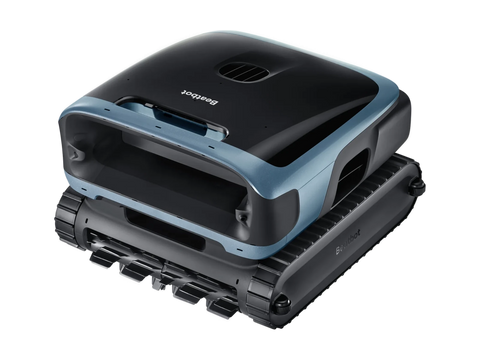
 Best Robotic Pool Cleaner for Salt Water Pools (Australia)Can you use a robotic cleaner in a salt water pool? Yes, and here are the best cordless Beatbot picks for Australian salt pools, from the Sora 70 P7 to...
Saltwater vs. Chlorine Pools: Pros and Cons

Our pick for this
Sora 70 P7Skims leaves before they sink, then cleans the whole pool.$2,299 ·or 4 payments of $574.75 with Afterpay. Zip also available.
View details
- 30-Day Money-Back Guarantee
- 2-3 year warranty, by model
- Free shipping Australia-wide
- Call 0485 000 320

If you're planning to install a pool or looking to switch up your pool’s maintenance routine, one of the most significant decisions you’ll face is whether to go with a saltwater or chlorine system. Both options have their pros and cons, and understanding them can help you make the best decision for your pool’s health and your personal preferences. Let’s dive into the key differences between these two pool systems.
What Are Saltwater Pools?
Saltwater pools don’t require traditional chlorine products for disinfection. Instead, they use a salt chlorinator that converts dissolved salt into a form of chlorine to sanitize the water. This process, known as electrolysis, produces just enough chlorine to keep the pool clean and safe without the need to add chlorine manually.
What Are Chlorine Pools?
Chlorine pools rely on manually adding chlorine (either in the form of liquid, granules, or tablets) to disinfect the water. Chlorine helps kill bacteria, algae, and other harmful contaminants, making the pool safe for swimming.
Let’s take a look at the advantages and disadvantages of both systems.
Saltwater Pools: Pros and Cons
Pros:
-
Lower Chlorine Levels, Gentler Water Saltwater pools generally have lower chlorine levels compared to traditional chlorine pools. This means the water is gentler on your skin, eyes, and hair. Swimmers often find saltwater pools less irritating, especially for sensitive skin.
-
Reduced Chemical Maintenance Since the salt chlorinator continuously generates chlorine, you won’t need to add chlorine manually. This reduces the time spent on pool maintenance and means fewer chemicals are added to the water, making the overall upkeep simpler.
-
Softer Water Feel The salt in the pool water gives it a slightly softer feel. Many people find swimming in saltwater pools to be a more pleasant experience compared to traditional chlorine pools, where the water can sometimes feel harsh.
-
Fewer Chemical Odors Saltwater pools tend to have fewer strong chemical odors compared to chlorine pools, making the swimming experience more enjoyable.
Cons:
-
Higher Initial Costs The cost of installing a saltwater system can be significantly higher than a traditional chlorine pool. A salt chlorinator system is more expensive upfront, though it can save money in the long term due to lower chemical costs.
-
Salt Can Be Corrosive Saltwater can be corrosive to certain types of pool equipment and surfaces, particularly metal fixtures and pool liners. You may need to invest in specialized materials to prevent damage over time.
-
More Complex Maintenance While saltwater pools require less frequent chemical additions, maintaining the salt chlorinator itself can be more complex and costly. It may need regular cleaning or replacement parts to keep the system functioning properly.
Chlorine Pools: Pros and Cons
Pros:
-
Lower Initial Costs Chlorine pools typically have lower upfront costs compared to saltwater systems. Setting up a chlorine pool is straightforward and more budget-friendly, making it an appealing option for first-time pool owners.
-
Faster Problem Resolution If you encounter an issue with water quality, it’s often quicker to correct in a chlorine pool. Manually adding chlorine can resolve problems such as algae growth or cloudy water relatively quickly.
-
Wider Availability of Products Chlorine products are widely available, and pool owners can choose from various forms of chlorine, including liquid, granules, and tablets, depending on their needs.
Cons:
-
Stronger Chemical Smell Chlorine pools are known for their distinctive chemical smell, which can sometimes be off-putting to swimmers. The chlorine odor can also linger on skin and swimwear after swimming.
-
Potential Skin and Eye Irritation The higher chlorine levels in traditional chlorine pools can cause skin and eye irritation, especially for those with sensitive skin. Prolonged exposure may also damage swimwear over time.
-
Frequent Maintenance Chlorine pools require regular testing and chemical balancing to ensure water safety. You’ll need to manually add chlorine and other chemicals, which can be time-consuming and add up in cost over time.
Which Is Right for You?
Choosing between a saltwater and chlorine pool ultimately depends on your priorities. If you prefer a low-maintenance, skin-friendly option and don’t mind the higher upfront costs, a saltwater pool might be the perfect fit. However, if you’re looking for affordability, flexibility, and easier problem resolution, a chlorine pool could be the better choice.
At POOLZ Online, we offer a range of saltwater chlorinators, chlorine systems, and pool care products to suit both preferences. Whether you’re setting up a new pool or maintaining an existing one, we’ve got everything you need to keep your pool sparkling clean.
The easier way
Let the Sora 70 P7 do it on a schedule.$2,299 ·or 4 payments of $574.75 with Afterpay. Zip also available.
Support centre
Pool care tips, product news and offers from our Australian team, straight to your inbox.

Keep reading
Best Robotic Pool Cleaner for Salt Water Pools (Australia)Can you use a robotic cleaner in a salt water pool? Yes, and here are the best cordless Beatbot picks for Australian salt pools, from the Sora 70 P7 to...


 How Do Robotic Pool Cleaners Work? A Simple GuideA plain-English explainer of how robotic pool cleaners work: navigation, cleaning modes, cordless operation, and the AI systems behind Beatbot robots.


 Best Robotic Pool Skimmer for Leaves and Surface Debris (Australia)The best robotic pool skimmer for leaves and surface debris in Australia. How a solar-powered skimmer works, why the Beatbot iSkim is built for the job, and how to pair...
In this article
iSkim, Sora 70 P7Shop iSkim
