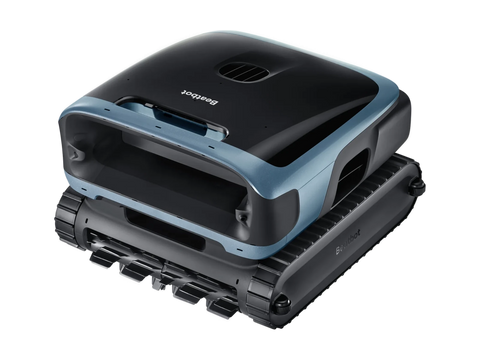
Best Robotic Pool Cleaner for Salt Water Pools (Australia)Can you use a robotic cleaner in a salt water pool? Yes, and here are the best cordless Beatbot picks for Australian salt pools, from the Sora 70 P7 to...
How to Save on Pool Running Costs Without Sacrificing Quality

Our pick for this
Sora 30 P3Cleans shallow ledges and sun shelves. Pair with an iSkim for leaves.$1,499 ·or 4 payments of $374.75 with Afterpay. Zip also available.
View details
- 30-Day Money-Back Guarantee
- 2-3 year warranty, by model
- Free shipping Australia-wide
- Call 0485 000 320

Owning a pool is one of the best ways to enjoy the hot Australian summers, but it can also come with significant ongoing costs. Between heating, cleaning, and regular maintenance, the expenses can add up quickly. However, there are plenty of ways to keep these costs down without sacrificing the quality or enjoyment of your pool. Here’s how you can maintain a sparkling, clean, and safe pool while saving money in the long run.
1. Invest in Energy-Efficient Pool Equipment
Upgrading your pool equipment to more energy-efficient models can significantly reduce your electricity costs over time. Here are some key items to consider:
-
Variable Speed Pool Pumps: Traditional single-speed pumps run at full power, consuming a lot of energy. A variable speed pump allows you to adjust the speed according to the pool’s needs, running slower and using less power during off-peak times. These pumps may cost more upfront but can cut energy usage by up to 80%, making them a smart long-term investment.
-
Energy-Efficient Pool Heaters: If you heat your pool, consider upgrading to an energy-efficient model such as a solar heater or a heat pump. Solar pool heaters use free energy from the sun, making them a cost-effective and environmentally friendly option in the long run. Heat pumps use less electricity compared to traditional gas heaters, and they’re especially effective in warmer climates like Australia.
At Pool Owners Australia, we stock a range of energy-efficient pool pumps and heaters that can help lower your energy bills while keeping your pool in perfect condition.
2. Use a Pool Cover
One of the simplest and most effective ways to save money on pool running costs is by using a pool cover. Pool covers help in several ways:
-
Reduce Water Evaporation: A pool cover can prevent up to 95% of water loss from evaporation. This not only conserves water (especially important during droughts) but also reduces the frequency of topping off the pool and adding more chemicals.
-
Lower Heating Costs: Pool covers help retain heat, meaning you’ll spend less energy and money on heating the pool, particularly during cooler nights or shoulder seasons.
-
Keep Debris Out: By keeping debris like leaves, bugs, and dirt out of the water, a pool cover reduces the load on your filtration system and can decrease the amount of chemicals required to maintain water clarity.
Investing in a solar pool cover can further maximize savings by capturing the sun’s warmth during the day and transferring it to the pool water, helping you maintain a comfortable temperature without additional heating.
3. Optimize Your Pool’s Filtration Schedule
Many pool owners run their filtration system for longer than necessary, which can lead to unnecessarily high energy costs. You don’t need to run your pool pump 24/7 to keep the water clean. Here are a few tips to optimize your filtration schedule:
-
Run the Pump During Off-Peak Hours: Electricity prices are often lower during off-peak times, such as late at night or early in the morning. Program your pool pump to run during these hours to save on energy costs.
-
Shorten Pump Run Times: For most pools, 8–12 hours of filtration per day is sufficient, though this can vary depending on your pool size and usage. Experiment with reducing your pump’s running time by an hour or two and monitor the water quality. If the water remains clear, you can maintain that reduced schedule to save energy.
4. Keep Up With Regular Maintenance
Regular maintenance is essential for keeping your pool equipment in good working order, which can save you money in the long term. Well-maintained equipment runs more efficiently and lasts longer, reducing the need for costly repairs or replacements. Here are some maintenance tips:
-
Clean Your Pool Filters: Dirty filters force your pump to work harder, which increases energy consumption. Clean or replace your filters regularly to keep your pump running efficiently.
-
Maintain Water Chemistry: Keeping your pool’s water chemistry balanced not only ensures the safety of swimmers but also prolongs the life of your equipment. Unbalanced water can cause corrosion or scale buildup, leading to expensive repairs.
-
Check for Leaks: Even a small leak can lead to wasted water and higher bills. Regularly inspect your pool for signs of leaks, such as unexplained drops in water level or soggy spots around the pool.
At Pool Owners Australia, we offer a wide range of maintenance products and tools to help you keep your pool running smoothly and efficiently.
5. Switch to a Saltwater Pool
If you’re currently using a chlorine pool, you may want to consider switching to a saltwater system. While saltwater pools have higher initial installation costs, they can save you money over time in reduced chemical usage. Saltwater chlorinators generate chlorine as needed, which means you won’t have to purchase and manually add chlorine regularly.
Saltwater pools are also gentler on the skin and eyes, providing an added benefit to swimmers, especially those with sensitive skin.
6. Use Solar Power for Pool Heating
Harnessing the sun’s energy through solar pool heaters is a fantastic way to heat your pool while drastically cutting down on energy costs. Solar heaters use solar panels to collect heat from the sun, transferring it to your pool water. After the initial installation, there are no ongoing energy costs, making it one of the most cost-effective heating solutions.
Solar covers and liquid solar blankets can also help by trapping heat and reducing evaporation. Pool Owners Australia has a wide selection of solar heating options to help keep your pool warm while keeping your bills low.
7. Use LED Pool Lighting
If your pool has lighting, consider switching to LED lights. LED lights consume up to 80% less energy than traditional incandescent bulbs and last significantly longer. Not only will you save on electricity, but you’ll also reduce the frequency of bulb replacements.
8. Automate Your Pool Care
Investing in automatic pool cleaners and smart pool systems can help you save on pool running costs in the long term. Automatic cleaners can maintain your pool’s cleanliness with minimal effort, reducing the amount of manual labor and time you spend cleaning the pool.
Smart pool systems allow you to control and monitor your pool’s settings, such as the pump, heater, and lights, through a smartphone app. You can easily adjust your pool’s settings to run more efficiently and reduce unnecessary energy use.
Save Without Sacrificing Quality
Keeping your pool running efficiently doesn’t mean you need to cut corners or sacrifice quality. By investing in energy-efficient equipment, optimizing your pool’s maintenance schedule, and incorporating eco-friendly technologies, you can enjoy a sparkling, well-maintained pool while keeping your costs under control.
At POOLZ Online, we offer a wide range of energy-saving pool products, maintenance tools, and expert advice to help you reduce running costs without compromising the quality of your pool experience. Explore our products today and start saving!
The easier way
Let the Sora 30 P3 do it on a schedule.$1,499 ·or 4 payments of $374.75 with Afterpay. Zip also available.
Support centre
Pool care tips, product news and offers from our Australian team, straight to your inbox.

Keep reading
Best Robotic Pool Cleaner for Salt Water Pools (Australia)Can you use a robotic cleaner in a salt water pool? Yes, and here are the best cordless Beatbot picks for Australian salt pools, from the Sora 70 P7 to...


 How Do Robotic Pool Cleaners Work? A Simple GuideA plain-English explainer of how robotic pool cleaners work: navigation, cleaning modes, cordless operation, and the AI systems behind Beatbot robots.


 Best Robotic Pool Cleaner for Above-Ground Pools (Australia)Which robotic pool cleaners actually suit above-ground and shallow pools in Australia, and why the cordless Beatbot Sora 10 P1 is our pick for above-ground owners.
In this article
Sora 10 P1, Sora 30 P3Shop Sora 10 P1